
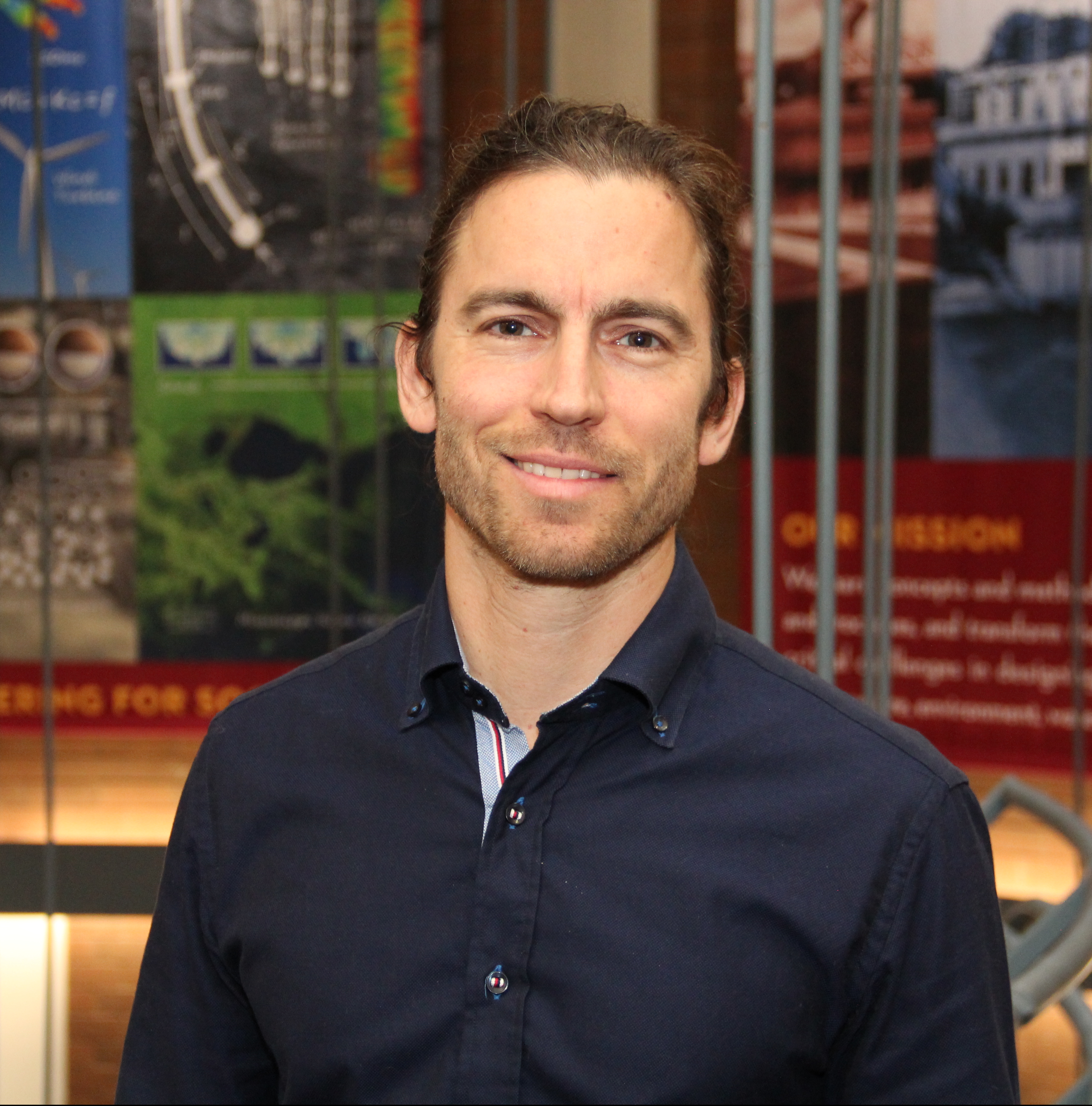
Carsten Prasse, Associate Professor
 My research is driven by a fascination with environmental chemistry and a deep concern about the public and environmental health impacts of chemicals present in our environment. My research group investigates the fate of contaminants in the built and natural environment using state-of-the-art analytical chemistry techniques (e.g. high-resolution mass spectrometry) with the focus on identifying transformation products, understanding underlying mechanisms of transformation, and assessing potential health impacts. One of our main areas of interest is the presence of contaminants in the urban water cycle. Even though the efficacy of treatment technologies is still primarily evaluated based on the removal of well-known trace organic contaminants, our research has emphasized the relevance of transformation products as (drinking) water contaminants.
The recognition of the relevance of transformation products as emerging class of water contaminants led to a series of studies in which we investigated the fate of transformation products in treatment trains used in both wastewater treatment and drinking water purification. This was paired with in vitro and in silico toxicological approaches to assess the toxicity of the transformation products. The results have clearly demonstrated that degradation processes can result in transformation products that exhibit an increased toxicity compared to the parent chemicals. This is particularly relevant for the assessment of new treatment technologies as well as alternative drinking water resources, in particular regarding water reuse.
One widely unanswered question is how to prioritize the compounds that are present and how to identify which compounds are most threatening to human and environmental health given that thousands of chemicals are present in our waters. To tackle this problem, our research focuses on using concepts and methods from toxicology and public health. This work is interdisciplinary with the goal of developing new methodologies to inform water treatment technology development, comprehensively assess water quality and characterize the Exposome.
Full list of publications: Google Scholar Citations.
Outside of the lab, I love to hang out with my two sons and our cat, meet friends, go on a run or hike, and listen to music.
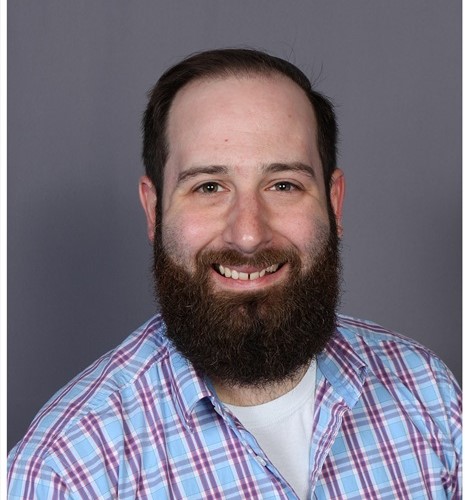
Matthew Newmeyer, Research Associate
 I have always been driven to contribute to the betterment of society through the use and advancement of science. We are at a critical juncture where increased attention and action regarding environmental issues are paramount. My goal is to use my interests in analytical chemistry and toxicology to help better understand these problems and lead to actionable solutions. Through the use of targeted and non-targeted analytical detection methods, we can help characterize the compounds we come in contact with on a daily basis through the water we drink, food we eat and air we breathe. Coupling these finding with toxicological testing can improve risk assessments and improve human health outcomes. Additionally, these data can assist with various environmental issues from improving water treatment practices to assessing air quality, and may ultimately help inform evidence-based public health policies. I am fascinated in this interplay of analytical chemistry, toxicology, public health and policy.
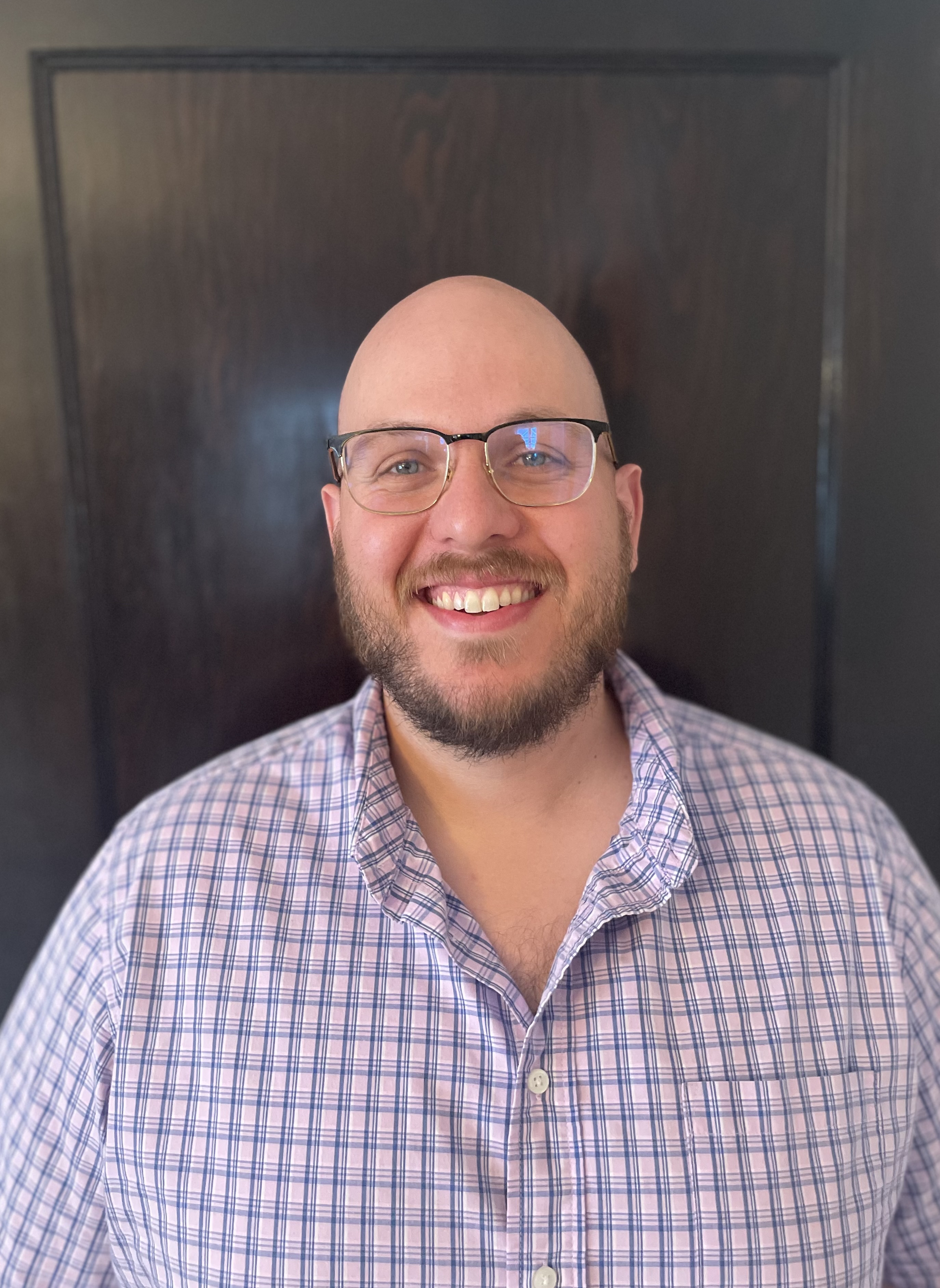
Zachary Kralles, Postdoctoral Fellow
I decided I would be an environmental engineer when I was in 10th grade, driven by my desire to tackle environmental issues and help people. However, my true passion for the field didn’t ignite until junior year of undergrad at the University of Buffalo when I studied Aquatic Chemistry under my future PhD advisor Ning Dai. It was then I started to understand the true multidisciplinary nature and complexity of the field that really left me intrigued and dying to know more.
During grad school I found my calling in the field of disinfection byproducts, which would be the focus of both my MS thesis and PhD dissertation. Specifically, I used liquid chromatography–high-resolution mass spectrometry to investigate the formation mechanisms of haloacetonitriles and emerging large-molecule DBPs from overlooked and emerging precursors. I’m fascinated by tracking the transformation of organic compounds, whether under chlorination or natural environmental conditions. At Hopkins, I hope to continue my investigation of DBPs while expanding my knowledge of environmental chemistry and exploring new research fields. I plan to incorporate emerging machine learning techniques into non-target high-resolution mass spec workflows to analyze DBPs in drinking water samples and organic contaminants in biosolid samples.
Outside of work I enjoy hanging out with my wife and puppy, hiking, watching football (GO BILLS), and making music or going to concerts.
Daisy Grace, PhD student
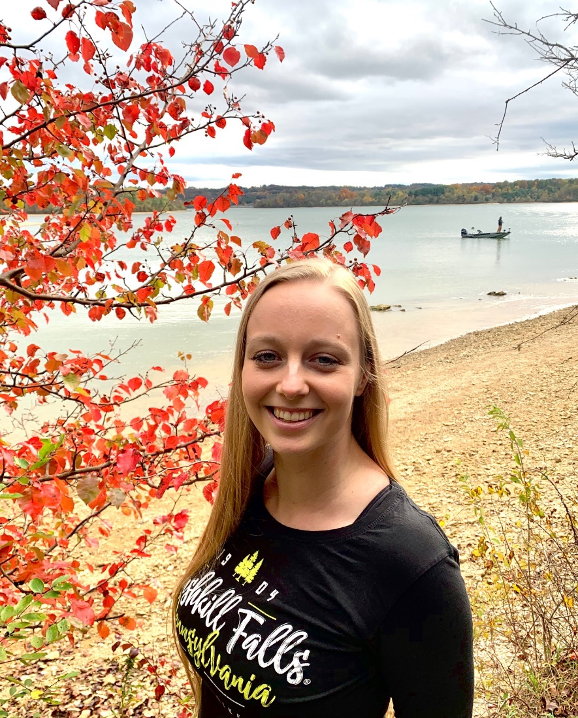 Growing up in a rural town outside of Reading, Pennsylvania, I witnessed how agricultural- and septic-based runoff sparked an increasing frequency of health advisories at a nearby recreational lake due to fecal bacteria and algal bloom contamination. Observing the quality decline of the place where I spent my childhood summers motivated my intellectual curiosity regarding environmental contamination, particularly as a consequence of increased anthropogenic activity.
I decided to pursue my interest in environmental issues at Lafayette College, where I joined Dr. Melissa Galloway’s atmospheric aerosol lab in the Department of Chemistry. In the Galloway Lab, I investigated brown carbon aerosol systems and their radiative properties to help inform global climate modeling. This work familiarized me with mass spectrometry (MS) method development, which served to identify individual products within complex environmental matrices. Seeing how powerful MS was in identifying environmental contaminants, I knew I wanted to continue working with MS in my graduate career. My work with atmospheric aerosols, however, confirmed my inclination toward more solution-oriented approaches in research regarding the fate and transport of aqueous contaminants. This revelation has led to my current position as a PhD candidate in the Prasse Lab, where I can continue to explore my fascination in environmental analytical chemistry while also acquiring a background in engineering and public health. My current project involves designing a novel analytical platform to detect, identify, and prioritize individual toxic contaminants within complex drinking water and wastewater samples. Alongside this project, I am looking forward to participating in the collaborative nature of the Prasse Lab with both the academic and Baltimore communities.
In my free time, I enjoy hiking, swimming, making recycled art, and working through a long list of recommended podcasts.
Kate Burgener, PhD student
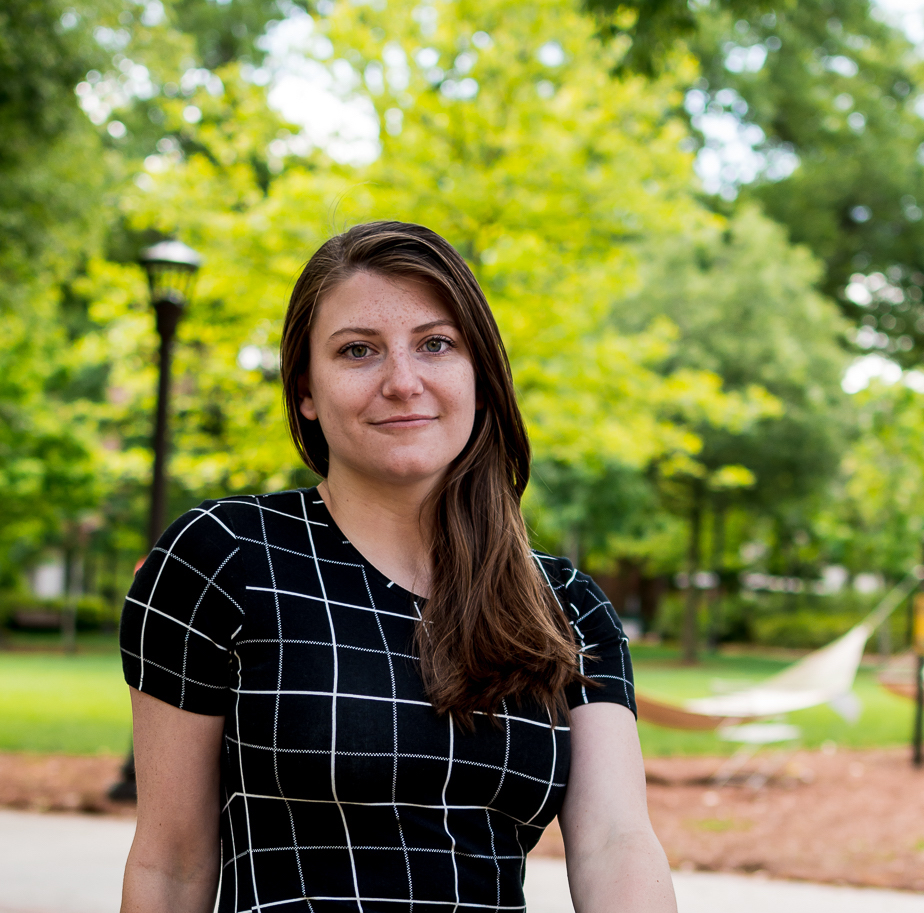 I have always been passionate about the natural environment, and increases in pollution and habitat destruction have motivated me to pursue a career in environmental engineering. While an undergraduate at Georgia Tech in chemical & biomolecular engineering my research focused on the use of soft polymers to remove nano pollutants from the surfaces of saturated polymer matrices. Though this work was successful in its goal of removing plastics, it also required the production of more plastic. Recognizing that many remediation technologies utilize technology that creates pollutant byproducts or excessive waste, I aim to engineer remediation technologies that build on natural biological degradation mechanisms to remove anthropogenic pollutants from complex milieus. Prior to joining the EHE department at Johns Hopkins University, I studied chronic wasting disease prions at UW-Madison and their transport through environmental matrices in order to assess environmental sinks and transmission potential. My current work focuses on measuring recalcitrant organic pollutants that sorb to biosolids in waste water treatment processes and their fates and remediation potential following release.
Outside of the lab I enjoy hiking, painting, and photography.
Dani Sanchez, PhD student
 My family frequently talked about sustainability and our responsibility to care for nature, so from a young age I have been intrigued by environmental issues like climate change, pollution and water quality. To better understand the makeup and behavior of the chemicals that pollute our environment, I pursued a BS in Chemistry at Purdue University where I worked in a lab developing biomimetic adhesives of low human toxicity. During my time there I also took a course in environmental science that focused on policy and ultimately set me on my path towards a career in environmental regulation.
Before transferring to Hopkins, I spent 3 years in the Molecular and Environmental Toxicology program at UW-Madison under Dr. Joel Pedersen studying the metabolism of wastewater-derived disinfection byproducts in crop plants. In the Prasse Lab, I continue my doctoral work on crop plant metabolism, focusing on identifying the metabolites of psychoactive pharmaceuticals found in reclaimed wastewater that is used for agricultural irrigation and of other .
Outside lab, my time is spent videogaming, playing Magic: the Gathering, and watching anime.
Noor Hamdan, PhD student
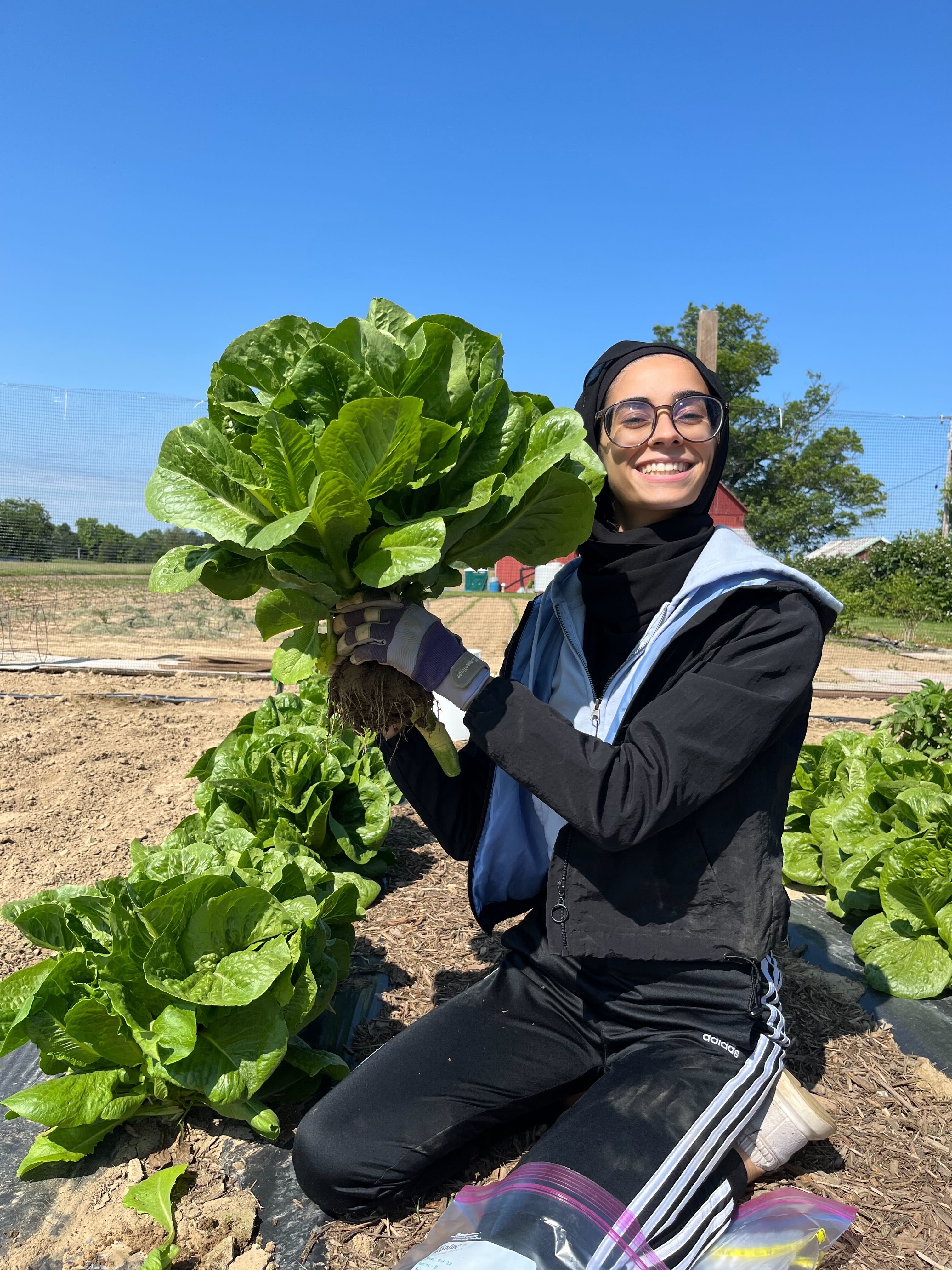 My passion for environmental engineering and public health disciplines stems from my upbringing in the global south. Being raised in a third-world country allowed me the personal experience of the lack of safe and accessible drinking water.
Before joining JHU, I received a bachelor’s and master’s degree in civil engineering at Stony Brook University. I investigated the bioaccumulation of per and polyfluoroalkyl substances (PFASs) in marine polychaetes and focused on high-resolution mass spectrometry method development of PFASs in benthic organisms and treated water. I have also investigated the non-target identification of transformation products of PFASs in water treated with electron-beam technology and thermal plasma technology and the identification of byproducts in a PFOS-spiked media solution treated with bacteria.
Currently in the Prasse Lab, I study the fate and transport of biosolid-associated organic contaminants (BOCs) through non-target and targeted analysis. I am also involved in a variety of non-target analysis projects, including investigating organic contaminants in soil that has received heavy biosolid applications for decades and the introduction of organic compounds through recreational activities into freshwater systems.
When I am not in the lab, I enjoy traveling, reading, and spending time with my fiancé.
Alyssa Rorie, PhD student

Growing up on the outskirts of Raleigh, North Carolina, I was constantly surrounded by nature. From volunteering at my local Wetlands center to championing recycling efforts at my school, my passion for the environment began at a very young age. After being introduced to the global water crisis in my 8th grade science class, I became passionate about clean water. I firmly believe that no person should be denied access to potable water, as it is a necessary factor for life.
While pursuing a bachelor’s degree in chemical engineering at North Carolina A&T State University, I had the opportunity to take part in various research projects including studying the link between breast cancer and phosphorylated branched chain amino acid transferase (BCAT) and working with AI bias with nutrition. However, my passion for wastewater remediation research was ignited after working under Dr. Nirala Singh at the University of Michigan as part of their Summer Research Opportunity Program (SROP) for two consecutive summers. In the Singh lab, I studied how effective direct and indirect oxidation is at eliminating phenol from wastewater. This experience led to my decision to become a doctoral student at JHU in Dr. Prasse’s and Rossi’s lab, where I hope to continue research with understanding and eliminating novel wastewater contaminants. I have a long term career goal of developing processes to provide potable water worldwide and hope to develop my skills further throughout my graduate education. I look forward to joining the Prasse lab, as well as the Department of Environmental Health and Engineering at JHU.
In my free time, I enjoy going to the gym, playing music (I can play 6 instruments!), hiking, dancing, and watching TV/anime.
Mei-Li Hey, PhD student
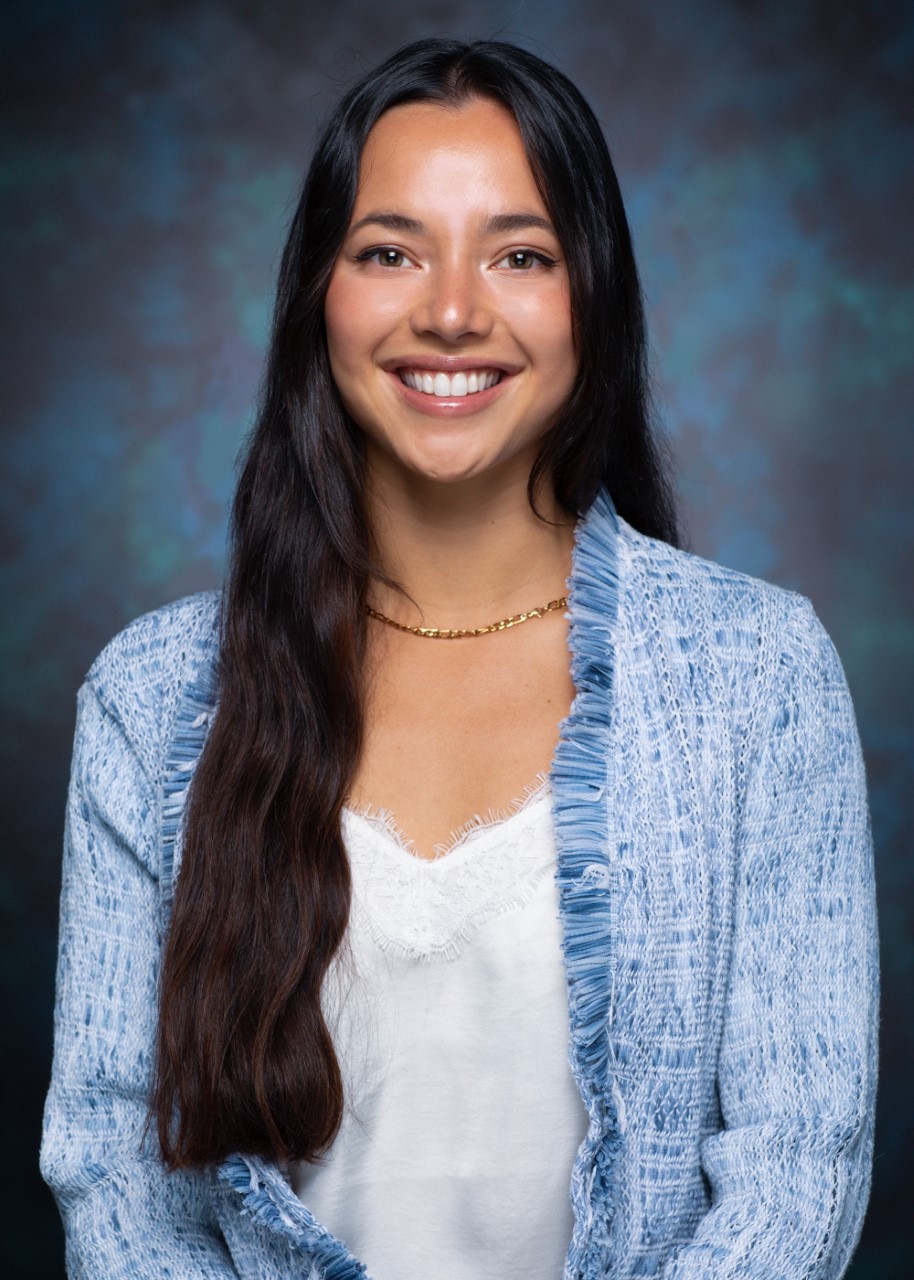
My interest in environmental health was catalyzed by my experience starting a non-profit called Atwero, which focuses on increasing sanitation for persons with disabilities and operates out of Uganda. I observed practices in many agricultural villages that piqued my interest about the link between food production contamination and wastewater contamination. The first step towards improving health outcomes of interventions is accurately determining the etiology of the disease-causing pathogens and their transmission pathways. While exploring this intersection, I intend to keep environmental and health inequities at the center of my studies. Ultimately, I aim to produce research that increases the effectiveness of environmental health interventions by providing the scientific evidence necessary for targeted implementation efforts and policy changes.
I started my career as a Mechanical Systems Design Engineer for NASA’s James Webb Space Telescope (JWST) and simultaneously earned a Master’s in Engineering Management from UCLA. I believe that good engineers are equipped with the tools and knowledge to approach the world’s largest problems, and engineers have a responsibility to prioritize their efforts to maximize equity and positive change. This is my reasoning for switching from aerospace engineering to environmental health. The roots of inequity in the environment and health run deep within our systems, and there are many powerful forces invested in maintaining the status quo. I intend to dedicate my career to conduct research that challenges our health systems and those who run them to increase equity and inclusion, and ultimately to generate better health outcomes around the world.
The Prasse Lab shares my passion for interdisciplinary research and science that results in real, tangible change. Outside of my studies, I enjoy climbing, creating pottery, running, and surfing.
Julian Maycock, PhD student
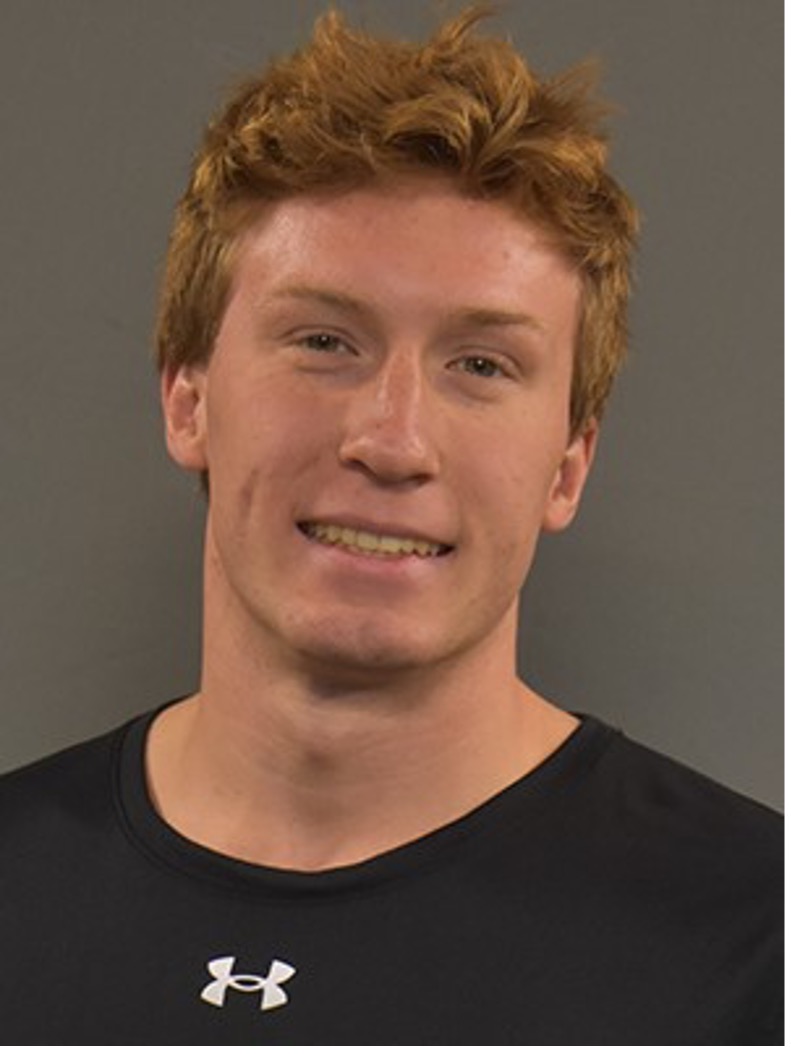
I have always had a wide variety of interests amongst science and beyond so after I finished high school, I took a gap year before I began college to let some of my interests compete with each other. In this time, I started a pressure washing and exterior cleaning company that I enjoyed running for about 18 months. I then decided on my undergraduate degree in chemistry at Towson University where I was introduced to environmental issues through my research of disinfection byproduct formation. I enjoyed applying my chemical knowledge to real-world problems and decided to pursue a PhD in Environmental Engineering. This allows me to participate in interdisciplinary research collaborating across several fields that indulges some of my side interests.
Outside of my education I enjoy going to the beach, hiking, sports and general travel. I have been a competitive swimmer most of my life and swam at the NCAA Division 1 level at Towson and plan to continue my swimming career for my first 2 years of graduate school as part of the Johns Hopkins team. I am currently trying to end my decade hiatus from reading books by reading the book Range by David Epstein.
I was born and raised in Greensboro North Carolina and have an older brother and sister who both received engineering degrees from NC State University. My parents still live in Greensboro along with my two cats while my sister currently lives in the Netherlands and my brother lives in Durham NC.
Julianne Chan, PhD student
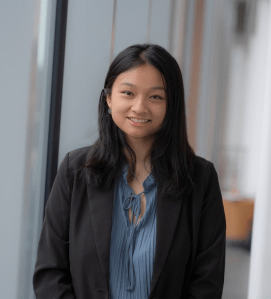
My interest in the environment stems from growing up on the Jersey Shore surrounded by the Pine Barrens and ocean. In the summer after my freshman year, I joined the Fahrenfeld Lab at Rutgers through the Aresty Summer Science Program, researching microplastics in stormwater. The summer of research turned into a passion for emerging environmental contaminants. I stayed in the lab throughout my time at Rutgers and switched to environmental engineering.
Alongside three years in the Fahrenfeld lab, I also spent a summer interning at the National Oceanic and Atmospheric Administration (NOAA) through the NOAA Hollings Scholarship where I assessed the use of passive sampling devices for analyzing PFAS concentrations in coastal ecosystems using LC-MS. Through these experiences and my involvement in the American Society of Civil Engineers, I decided to pursue a PhD in Geography and Environmental Engineering at JHU to eventually become a professor.
In my free time, I like to draw, play guitar, bake, and cook!
John Qian, Undergraduate Student
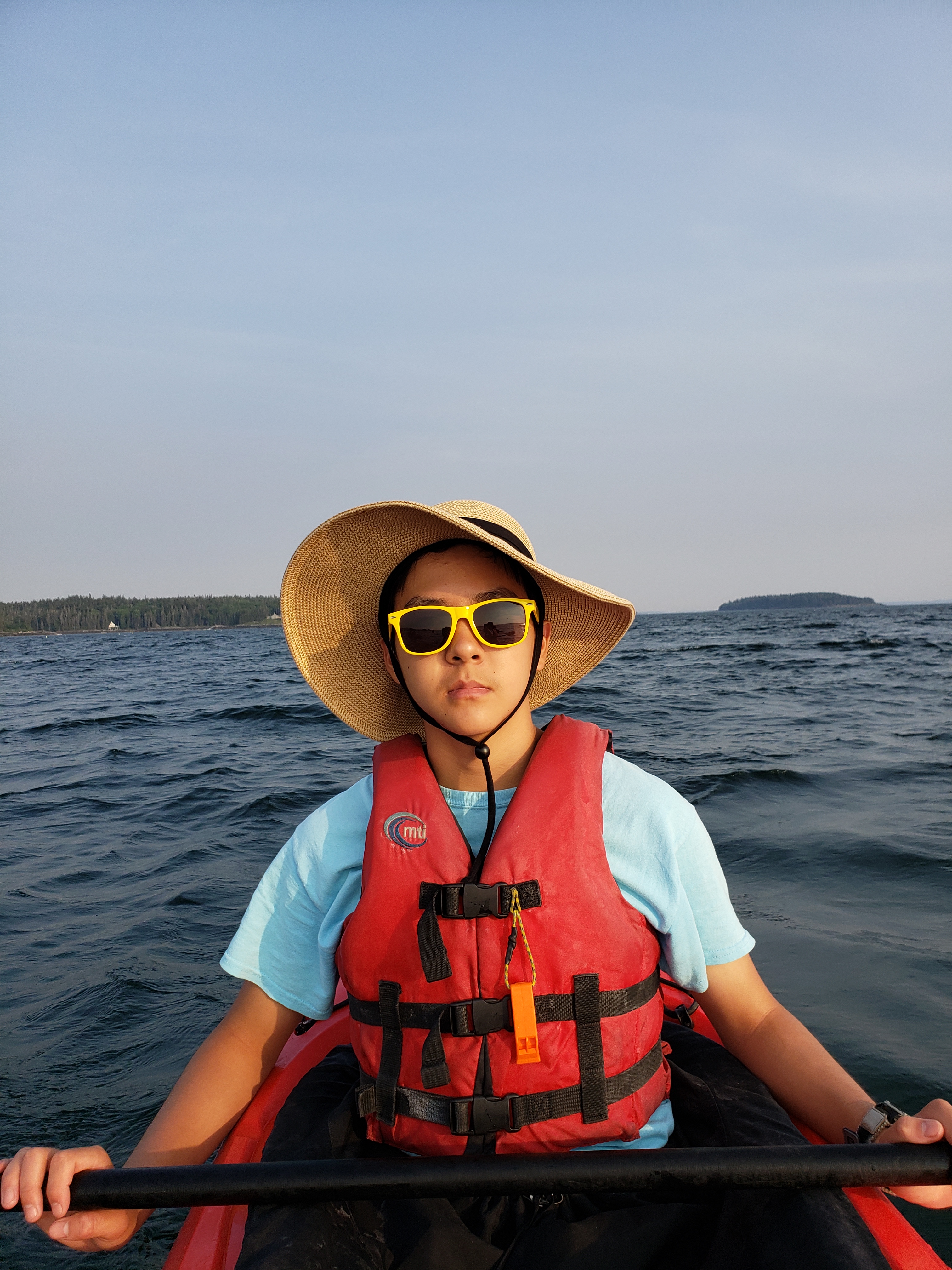
My interest in environmental engineering started when I was struggling to brainstorm ideas for my AP Research experiment. I thought about the possibility of drugs impacting the growth and development of plants, thus inspiring an experiment revolving around pharmaceutical and personal care product pollution. I quickly became interested in the growing issues of pharmaceutical contamination in waterways and agriculture, which brought me to the Prasse Lab, where I’m working with organic contaminants in biosolids. I’ve also developed interests in alternative energy sources, such as floatovoltaics, and the problem of water scarcity around the world through an internship I had at the University of Delaware.
Emily Klaus, Undergraduate Student
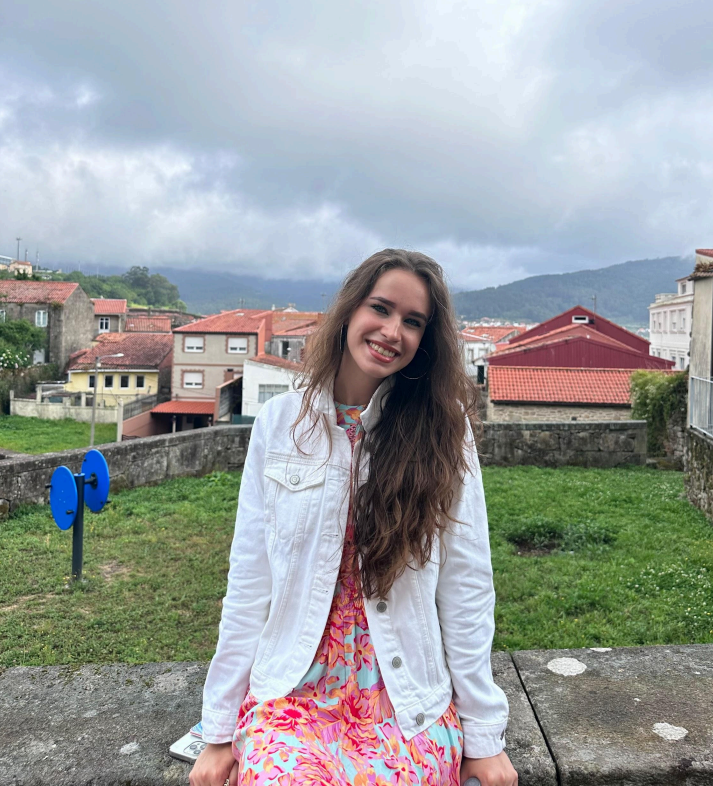 Coming from a small town in Brazil, where there is a lack of environmental regulations and general concern for the environment, I have always been dedicated to finding new methods to improve environmental health. Starting with small projects and raising awareness, this motivation has led me here, studying environmental engineering where I will hopefully be able to obtain the skills that will allow me to make a significant impact. I am thankful for the hands-on experience that working with Dani in the Prasse Lab has provided me. It allows me to feel as if I am following the right path to making advancements in the environmental health field.
My primary focus in the lab is on assisting with the research of crop plant metabolism focusing on identifying metabolites of psychoactive pharmaceuticals found in reclaimed wastewater used for agricultural irrigation. I have also had the opportunity to work in a lab in Spain where I assisted with examining the data for experimental analysis of the refrigeration performance of cooling systems with different channel shapes to find a shape where it could be most effective and utilize less energy. I believe that the future depends on how well we can understand and minimize the impact we have on the environment.
Alumni:
- Caroline Anastasia (PhD student); current position: Associate consultant at McKinsey and Co.
- Casey Smith (PhD student); current position: Senior Chemist at The Mitre Corporation
- Zhuoyue Zhang (PhD student); current position: Postdoc at Emory University
- Christopher Brueck (PhD student); current position: Scientist at Exponent
- Veronica Wallace (PhD student); current position: Senior Program Officer at National Academies of Sciences, Engineering, and Medicine
- Sara Nason (Postdoc); current position: research scientist at the Connecticut Agricultural Research Station
- Angela Stiegler (Postdoc); current position: Postdoc at US EPA
- Ximin Hu (Master’s student); current position: PhD student University of Washington, Department of Civil & Environmental Engineering
- Melody Multra (undergraduate student); current position: Engineer at Jacobs Solutions
- Sunny Li (undergraduate student); current position: undergraduate student at Johns Hopkins University
- Rafael Ferguson (undergraduate Student); current position: Master’s student Johns Hopkins University, Environmental Health & Engineering
- Marcos Pascual (undergraduate student); current position: Master’s student Johns Hopkins University, Environmental Health & Engineering
- Xiaoyue Xin (Master’s student); current position: PhD student Georgia Tech
- Annabel Mungan (undergraduate student); Master’s student University of Colorado at Boulder
- Nicholas Pham (High-school student); current position: undergraduate student University of British Columbia.
 Welcome to the Prasse lab
1 thought on “Who we are”
Comments are closed.